
SaaS Lead Generation Agency: Outbound Built for B2B SaaS
Why SaaS Companies Need Specialized Outbound
Generic outbound doesn't work for SaaS. The buying process is different, the objections are different, and the signals that indicate purchase intent are different from what you'd find in professional services or commercial real estate.
SaaS buyers evaluate tools against existing stacks. They care about integration compatibility, implementation time, and whether the platform can scale with their team. They research before they ever reply to an outreach message, so your first touchpoint needs to demonstrate sufficient relevance and specificity.
Reaching a prospect the week they're evaluating a solution is worth ten times more than reaching them three months later when the decision is already made. So Reachly builds SaaS lists from signals: who just raised, who is hiring, who changed tools.
Buyers evaluate against existing stacks
SaaS prospects research integration compatibility, onboarding time, and scalability before they ever respond to outreach. Generic messaging gets ignored. Messages that name the signal get replies.
Contact buyers while they are comparing tools
In the chart above, outreach during an active evaluation converts at 9.2x the rate of outreach with no signal. Reachly spots that window from signals like a new funding round, a sales hire or a tool change.
Reach the buyer before a competitor does
If a competitor reaches your buyer first during an active buying cycle, the deal is usually gone before you send a first email.
ICP precision matters more than volume
SaaS outreach that hits the wrong buyer persona wastes budget and damages deliverability. A short list of the right buyers beats a long list of the wrong ones.
How Reachly Runs SaaS Lead Generation
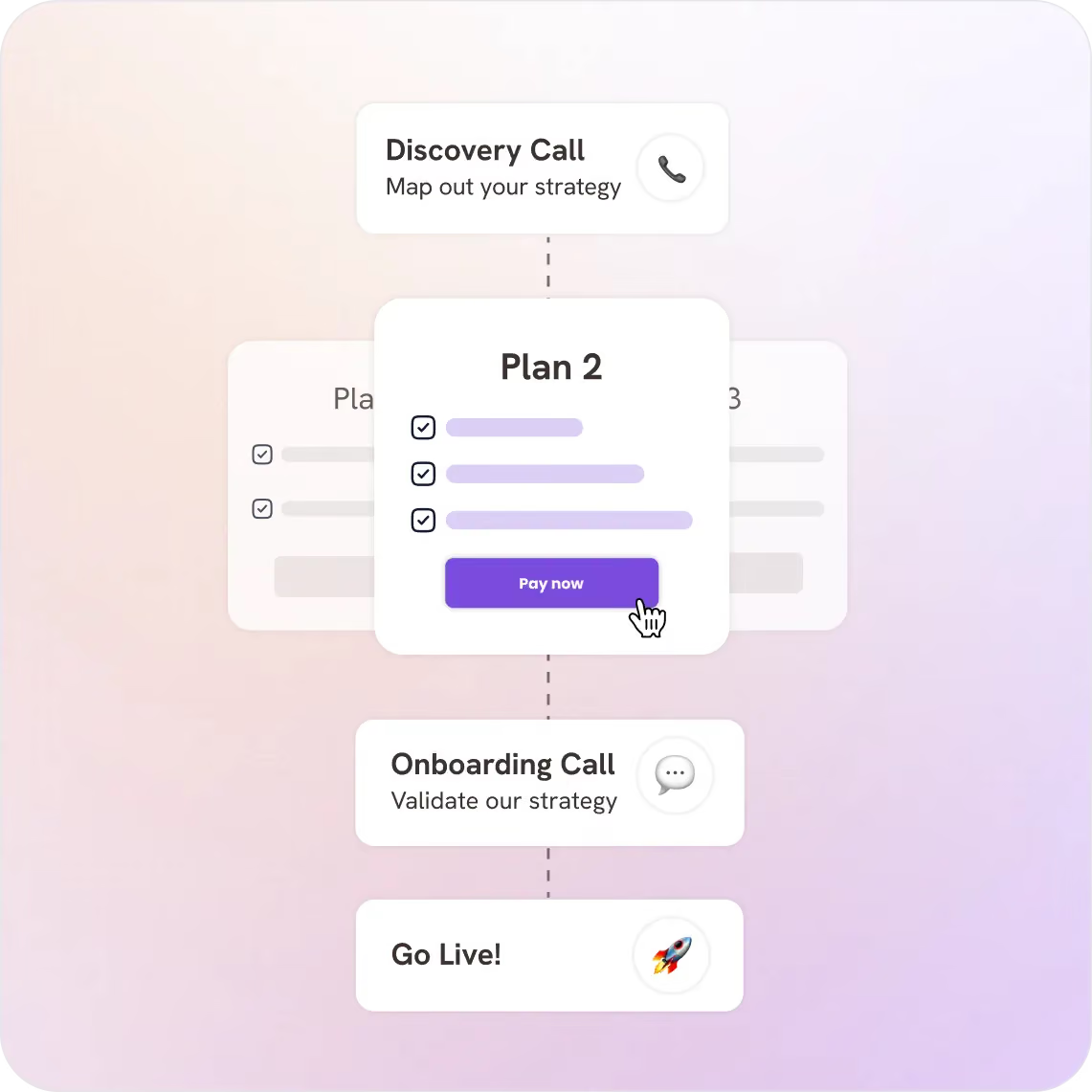
There are five steps: build the list, add signals, find contacts, send, then answer replies.
TAM Mapping and ICP Definition
Reachly pulls your account list from 10+ data sources and filters it by industry, size, country, tech stack, revenue and stage. For SaaS companies, tech stack data is particularly valuable: knowing what tools a prospect already uses tells you a great deal about their buying readiness and integration priorities.
Add signals and rank accounts
Before the first email, each account is tagged with what just changed there. For B2B SaaS, we prioritize recent funding rounds, active hiring in product or engineering roles, recent leadership changes, and competitor tool usage. Accounts with a fresh signal get contacted first. The rest wait until something changes.
Contact Sourcing and Verification
At each account, Reachly finds the person who buys your kind of product: a founder, head of product, VP of Sales or CTO. Every email gets verified before it goes into a sequence. Catch-all addresses get a second check, and the ones that still fail get reached on LinkedIn instead.
Coordinated Email and LinkedIn Outreach
Reachly writes and sends the sequences on both channels. Cold email handles the direct ask. LinkedIn adds a connection request and a follow-up that is easier to answer than an email. Every message is written around the specific signal that put the prospect on your list, not a generic SaaS pitch template.
Reply Management and Meeting Booking
Reachly's team answers every reply. It handles questions about your product, checks the prospect is a real buyer and books the demo. Your sales team gets the full thread before the call.
The result
Demos and discovery calls go straight onto your calendar, with the thread attached. Your sales team shows up prepared. You close.
Six Buying Signals We Use for SaaS Outbound
The difference between a SaaS outbound campaign that generates pipeline and one that generates complaints comes down to one thing: relevance. And relevance requires signals. Here are the six primary signal categories Reachly uses to build and prioritize outreach lists for SaaS clients.
Funding Signals
Companies that just closed a seed, Series A, or Series B round have fresh budgets and a mandate to grow. They're actively evaluating new tools. Reachly contacts them in the 30 to 60 days after the announcement, when post-funding outreach converts at 7.4x cold.
Hiring Signals
A SaaS company posting multiple roles in sales, marketing, or customer success is scaling fast. They often outgrow the tools they bought when they were smaller.
Tech Stack Signals
Knowing what tools a prospect already uses lets you position your product against their existing workflow, identify displacement opportunities, and reference specific integrations that are relevant to their setup.
Leadership Change Signals
A new VP of Sales or CTO at a target account is a high-value trigger. New leaders re-evaluate inherited tools early in their tenure, and they're far more open to outreach than someone who's been in the role for three years and is happy with the status quo.
Competitor Usage Signals
Prospects using a direct competitor's tool are already in your category. They understand the problem your product solves. The conversation starts from a much higher baseline than outreach to someone who's never heard of your category.
Growth Indicators
More hires, a new office or rising web traffic usually means the company will buy new tools soon. These companies are spending money right now.
Frequently Asked Questions About Outbound Lead Generation for B2B SaaS
Answers to what SaaS teams ask Reachly before signing.
Client results
Named engagements, with the numbers they produced
Two published case studies, with the industry and market of each stated in full.
Primal
Marketing services · Thailand · 6-month engagement
- 85+
- Sales qualified leads in six months
- 6
- New deals signed
- 35%
- Lower cost per acquisition
- 4.57x
- Return on the engagement
Pipeline leaned almost entirely on paid acquisition, so every new client cost more than the last. Reachly ran one evergreen campaign plus four signal-based campaigns triggered by marketing hires, fresh funding, falling traffic, and slipping off page one of Google. Lists were built in Clay and ranked by Google position. Campaigns averaged an 8% positive reply rate, and the engagement broke even at three months.
Read the Primal case study→The Great Room
Premium co-working · Singapore and Australia · 18 to 20 months
- ~$250K
- Contract value closed, about nine months into the engagement
- 2/qtr → 2/mo
- Face-to-face meetings, before and during the engagement
- ~30%
- Drop-off after qualification, against ~50% from paid
Internal outbound was producing about two face-to-face meetings a quarter, and one outbound hire would have cost close to $10,000 a month fully loaded. Reachly targeted on headcount growth, workplace and ops hiring, new funding, market entry, team-size thresholds, and proximity to a location, then qualified every conversation before it reached the sales team.
Read The Great Room case study→That single deal justified the full partnership.
James MichaudHead of Sales, The Great Room

Still working out the budget? SaaS outbound is priced the same three ways as any other program: a flat retainer, a price per booked meeting, or a price per lead. Read what a lead generation agency costs in 2026, model by model, including what each monthly budget realistically buys.
Reachly's own retainer starts at $3,500 a month, flat. Booked meetings land in the CRM you already use, such as HubSpot, Salesforce or Pipedrive, and Reachly runs campaigns from Bangkok into North America, Europe and APAC.
.avif)
More from Reachly
Related services
Cold Email Agency
Done-for-you cold email built on real buying signals.
Outbound Lead Generation Services
Fully managed B2B outbound across email, LinkedIn, and phone.
All Services
See every lead generation service Reachly runs.